

The Evolution of the EGC Pressure Seal
Pressure seals play a critical role in high-temperature and high-pressure industrial environments—but traditional designs often struggle with reliability, consistency, and long-term performance.
This three-part engineering series explores how EGC approached these challenges, rethinking pressure seal design from the ground up. The result is a more reliable, performance-driven solution built for demanding applications.
In this guide, you’ll learn:
- Why conventional pressure seals fail in critical applications
- The engineering challenges behind improving seal performance
- The key design changes that led to a more reliable solution
- What these improvements mean for operators and engineers
A Three-Part Engineering Journey
Problem →
Traditional pressure seal designs often fail under thermal stress, pressure cycling, and uneven load distribution.
Design Shift →
Solution →
Why Traditional Pressure Seals
Fall Short
Early pressure seal designs often failed to maintain consistent performance under thermal cycling, pressure variation, and mechanical stress. These issues led to increased maintenance, downtime, and risk in critical systems.
Key challenges identified:
- Uneven load distribution across sealing surfaces
- Material limitations in high-temperature environments
- Seal deformation under pressure cycling
- Reduced reliability over time
👉 Part 1: Why Traditional Pressure Seals Fail in
High-Temperature Applications
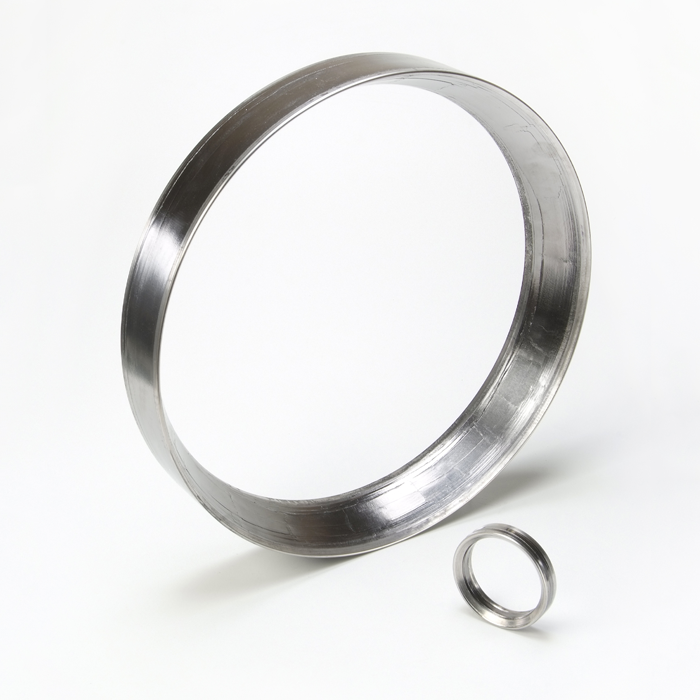
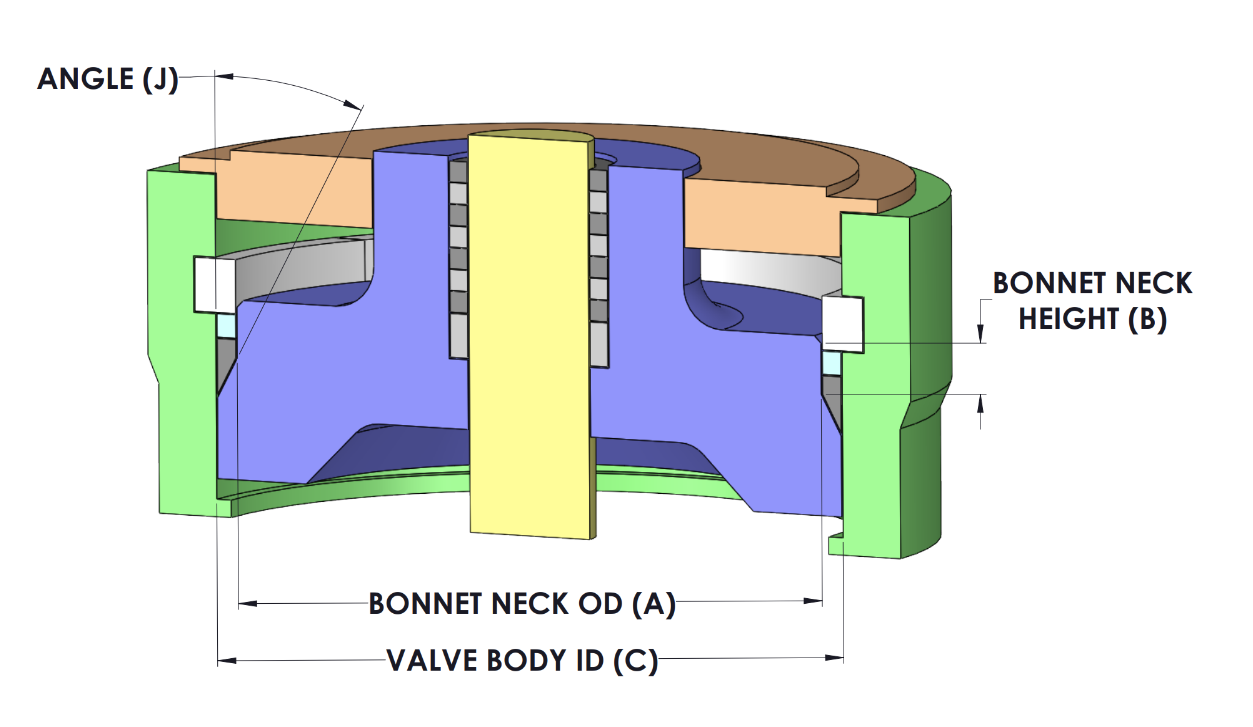
Rethinking Pressure Seal Design
EGC’s engineering approach focused on redesigning how pressure, material behavior, and geometry interact within the sealing system.
Rather than incremental tweaks, this phase involved a fundamental shift in design thinking.
Key areas of innovation:
- Improved load distribution strategies
- Material selection and performance optimization
- Geometric refinements to enhance sealing effectiveness
- Addressing real-world operating conditions
Achieving a More Reliable Seal
The final design reflects the culmination of iterative engineering improvements, resulting in a pressure seal that delivers more consistent and reliable performance.
Performance outcomes include:
- Improved sealing under extreme conditions
- Greater durability and lifespan
- Reduced maintenance requirements
- More predictable performance across applications
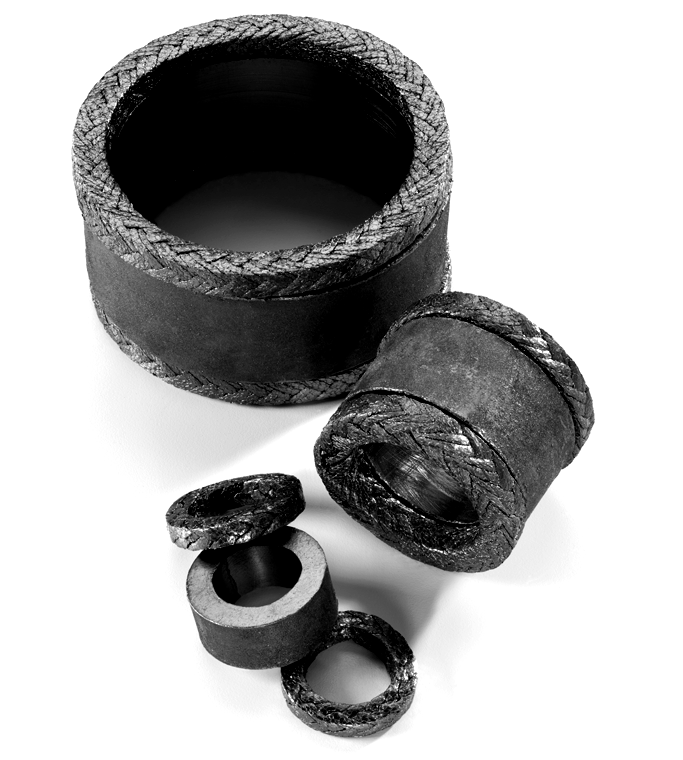
👉 Part 3: Final Pressure Seal Design and Performance Results
Key Takeaways for Engineers and Operators

Load Distribution Matters
Seal performance depends heavily on how forces are distributed across the sealing interface.

Thermal + Mechanical Stress
These factors must be considered together—not in isolation.

Design Impacts Performance
Even small geometry changes can significantly affect sealing reliability.

System-Level Thinking
The most effective solutions consider the entire operating environment.
Why This Matters in Real-World Applications
-
- Maintenance frequency
- Equipment uptime
- Operational safety
- Total cost of ownership
Improving pressure seal reliability isn’t just a design improvement—it’s a measurable operational advantage.
Talk to EGC About Your Application

EGC Enterprises Inc.
140 Parker Court
Chardon, OH 44024
Phone 1-800-EGC-0211 (U.S.A. only)
Local | 440-285-5835
Fax | 440-285-8337
Email | egc@egcgraphite.com