

For many facilities, pressure seal valve repair is measured not only in replacement component costs, but also in labor hours, machining requirements, and equipment downtime. Even small reductions in repair time can have a meaningful impact on outage execution and maintenance efficiency.
Repairing a pressure seal valve can be a time-intensive maintenance task, particularly when removing an existing metal pressure seal requires additional machining or surface preparation.
For maintenance teams working within tight outage schedules, every additional hour can affect labor resources, equipment availability, and overall maintenance costs.
EGC’s VSG Graphite Pressure Seals offer an alternative designed to conform to certain imperfections in the valve cavity, potentially reducing the machining and rework associated with pressure seal replacement.
Here are five ways graphite pressure seals can help maintenance teams improve repair efficiency.

1. Reduce or Avoid Unnecessary Machining
One of the biggest challenges when replacing a metal pressure seal is preparing the valve cavity for the new seal.
Metal pressure seals require a precise sealing surface. When an existing metal seal is removed, the valve cavity may require machining or other reconditioning to restore the surface needed for proper sealing. Depending on the condition of the valve, this additional work can add significant time to the repair.
Flexible graphite offers greater conformability than a rigid metal seal. When compressed, graphite can conform to minor irregularities in the sealing surface, allowing it to accommodate certain imperfections without the same level of surface reconditioning. Depending on the condition of the valve cavity, this can reduce machining requirements—or, in some cases, eliminate the need for machining altogether.
2. Shorten Valve Repair Time
Reducing machining and surface preparation can directly affect the time required to return a valve to service.
Based on customer-supplied data, replacing a traditional metal pressure seal took approximately 14 hours to tear down the valve and machine the seal cavity back to the required condition for reassembly with a new metal seal.
By comparison, replacing the metal seal with a VSG Graphite pressure seal required approximately 6 hours to tear down and reassemble the valve under the reported service conditions.
That represents a difference of approximately 8 hours on a single valve.
Actual repair times will vary based on valve size, design, condition, accessibility, installation requirements, and the scope of work required.
3. Reduce Pressure on Outage and Turnaround Schedules
Valve maintenance is often performed within a fixed outage or turnaround window. When repairs take longer than expected, maintenance teams may face additional labor demands, scheduling challenges, or delays in returning equipment to service.
Reducing machining and other labor-intensive repair steps can help crews complete valve work more efficiently. For facilities servicing multiple pressure seal valves during an outage, even modest time savings per valve can add up quickly.
Using the 8-hour difference from the customer-supplied example as an illustration:
- 5 valves: 40 hours
- 10 valves: 80 hours
- 25 valves: 200 hours
These figures are illustrative only. Actual time savings will depend on the condition and requirements of each valve.

4. Accommodate Certain Valve Cavity Imperfections
Valve cavities are not always in ideal condition, particularly after years of service. Steam cuts, minor surface damage, and out-of-round conditions can complicate pressure seal replacement. With a rigid metal seal, correcting these conditions may require additional machining or surface preparation. VSG Graphite pressure seals can conform to certain sealing-surface imperfections, providing additional flexibility when working with existing valve conditions.
EGC VSG Graphite Pressure Seals can accommodate steam cuts up to 0.030 in. × 0.080 in. across the sealing surface and out-of-round conditions up to 0.060 in. These capabilities can help reduce rework and machining requirements when the valve cavity falls within the seal’s specified capabilities.
5. Reduce Maintenance Labor Requirements
Machining, surface preparation, inspection, teardown, and reassembly all contribute to the labor required to return a pressure seal valve to service. When machining and other repair steps can be reduced, maintenance teams can spend less time on individual valve repairs and make more efficient use of available labor.
The customer-supplied example demonstrates the potential impact: approximately 8 hours of difference on a single valve.
Across a larger outage, those hours can accumulate quickly. For example, if 25 valves required similar work, an 8-hour difference per valve would represent an illustrative 200 hours of maintenance time.
For maintenance organizations focused on improving outage execution, reducing labor-intensive repair activities can provide value beyond the initial cost of the replacement seal.
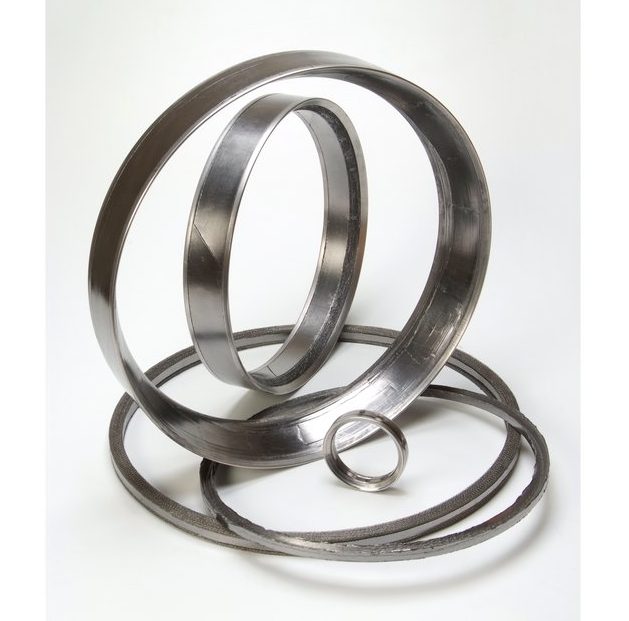
Are Graphite Pressure Seals Right for Your Application?
Every valve application is different. Pressure, temperature, valve design, media, cavity condition, and installation requirements should all be considered when selecting a pressure seal.
For facilities looking to reduce machining requirements, shorten valve repair times, and improve outage efficiency, a VSG graphite pressure seal may provide a practical alternative to a traditional metal pressure seal in appropriate applications.
Evaluating the total maintenance effort associated with the pressure seal valve repair, not just the cost of the replacement seal, can provide a more complete picture of the potential value.
Talk to EGC About Your Valve Application
Could a graphite pressure seal help reduce machining or repair time in your application?
Contact EGC to discuss your valve condition, operating requirements, and sealing needs with our team.
Let EGC Engineer Your Next Solution.
Together, we can develop a fluid sealing or thermal management solution to meet your explicit needs.