

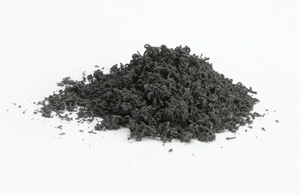
Graphite has been used for centuries, but its role has evolved far beyond pencils and industrial lubricants. Today, flexible graphite plays a critical role in high-performance sealing applications where heat, pressure, and reliability are essential.
From early uses in manufacturing cannon balls to modern pressure seal technology used in demanding industries such as power generation, refining, and chemical processing, graphite has become one of the most versatile engineered materials available.
The Early History of Graphite
The history of graphite dates back to the 1500s when large deposits were discovered in England. One of its earliest industrial applications involved coating molds used for manufacturing cannon balls. The graphite-lined molds produced smoother and more uniform projectiles, improving manufacturing consistency and performance.
Over time, graphite found applications in:
- Writing instruments and pencils
- Lubrication systems
- Refractory materials
- Battery technology
- Composite materials
- Advanced technologies such as graphene
Its unique structure allowed engineers to discover new uses across industries continually.
Why Graphite Performs Differently Than Other Materials
Graphite and diamonds are both forms of carbon, but their structures create dramatically different properties.
Graphite’s layered molecular structure gives it characteristics highly valued in sealing applications:
- High temperature resistance
- Chemical resistance
- Thermal conductivity
- Natural lubricity
- Compressibility
- Flexibility
These properties make graphite particularly effective in environments where traditional sealing materials struggle.
Flexible Graphite Today
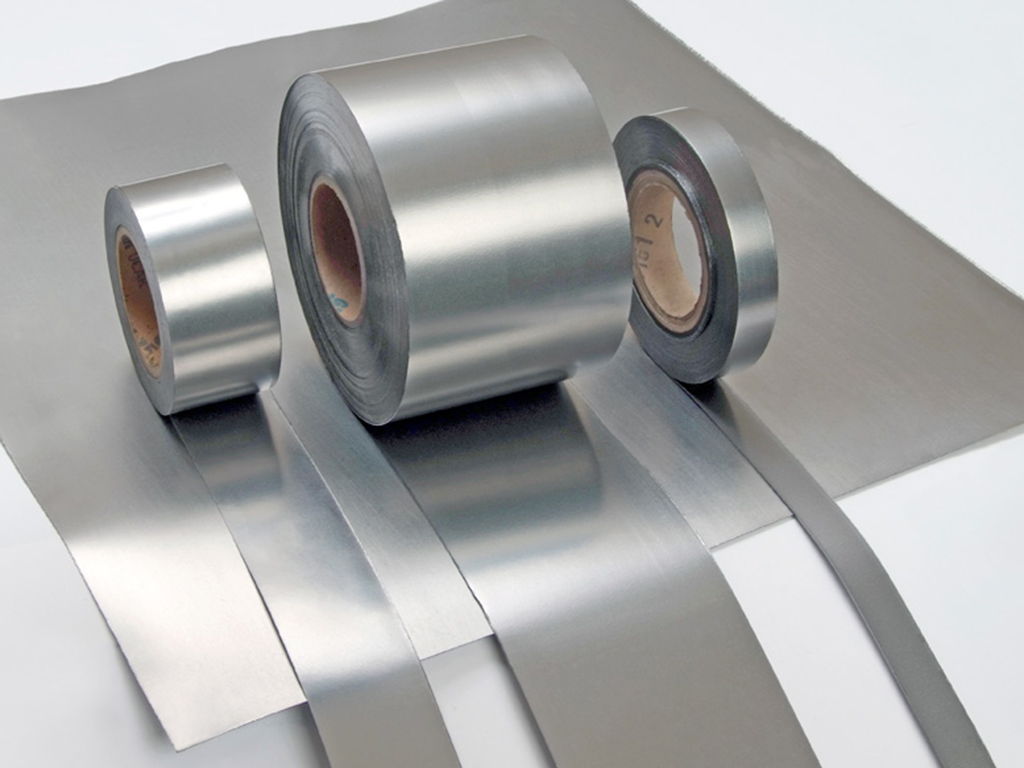
What started centuries ago as a material used to improve cannon ball manufacturing has evolved into a critical component in modern sealing systems.
As industrial processes became more demanding, engineers needed materials capable of handling conditions that traditional sealing materials often struggled to withstand. Higher operating temperatures, increasing pressures, stricter emissions requirements, and repeated thermal cycling created new challenges across industries such as power generation, refining, chemical processing, and manufacturing.
Flexible graphite emerged as a material capable of addressing many of these challenges because it combines temperature resistance, conformability, chemical resistance, and long-term sealing performance into a single engineered solution.
Today, flexible graphite helps industries address challenges such as:
Fugitive emissions reduction
Environmental regulations and operational standards continue to place greater focus on reducing unintended emissions. Reliable sealing performance can help facilities improve containment and reduce leakage risks.
High-temperature operation
Industrial systems frequently operate in elevated temperature environments where conventional materials may experience degradation, hardening, or loss of sealing performance. Flexible graphite can maintain stability in demanding operating conditions.
Valve reliability
Unplanned downtime and leaking valves can create costly maintenance events. Flexible graphite sealing systems can help improve long-term performance and reliability in severe service applications.
Maintenance efficiency
Shutdown windows are often limited, making maintenance speed and efficiency important. Flexible graphite materials can simplify installation and help reduce maintenance complexity compared to more rigid sealing designs.
Extreme pressure environments
Applications involving high pressure and repeated cycling require materials capable of maintaining sealing integrity over time. Flexible graphite has become a preferred solution in many severe service environments because of its ability to adapt to changing operating conditions.
As industries continue to push equipment harder and regulations become increasingly stringent, sealing materials must evolve alongside those demands. Flexible graphite remains one of the most adaptable and widely used materials for addressing modern sealing challenges across a wide range of industrial applications.
Why Flexible Graphite Works in Sealing and Thermal Management Applications
Industrial equipment often operates in environments where performance failures can result in costly downtime, maintenance expenses, and operational inefficiencies. Applications in power generation, refining, pulp and paper, chemical processing, and other severe service environments regularly face conditions such as:
- High pressures
- Extreme temperatures
- Repeated thermal cycling
- Frequent shutdowns and startups
- Demanding heat transfer requirements
These conditions create challenges not only for sealing performance but also for thermal management. Materials must maintain reliability while helping systems operate efficiently under changing operating conditions.
Flexible Graphite in Sealing Applications
Traditional sealing materials and rigid metal seals can struggle when exposed to repeated thermal expansion and contraction. Surface imperfections, loading changes, and cycling conditions can create leak paths or increase maintenance requirements. Metal seals may also become difficult to remove during outages and, in some cases, require additional machining before reinstallation.
Flexible graphite pressure seals provide a different approach. Because the material can compress and conform to surface irregularities while maintaining resilience, it helps preserve sealing integrity under severe service conditions. This ability can improve long-term reliability while simplifying maintenance activities.
Flexible Graphite in Thermal Management Applications
Beyond sealing, graphite has become increasingly important in thermal management applications because of its ability to efficiently transfer and dissipate heat.
Many materials act as thermal insulators, trapping heat and creating localized hot spots that can negatively affect performance and equipment life. Flexible graphite’s thermal conductivity allows heat to move more efficiently through a system, helping support temperature control and reduce thermal stress.
This makes graphite valuable in applications where thermal management plays a critical role, including:
- Heat transfer systems
- Electronic and power applications
- High-temperature industrial equipment
- Thermal interface materials
- Systems experiencing repeated thermal cycling
As equipment performance demands continue to increase, engineers increasingly seek materials that can solve both sealing and thermal challenges. Flexible graphite’s ability to address both functions has made it one of the most versatile engineered materials used in modern industrial applications.
Need a Sealing Solution for Extreme Conditions?
Whether you are replacing traditional metal pressure seals or evaluating sealing materials for high-temperature applications, EGC engineers can help identify a solution designed for your operating environment.
Explore EGC’s high-temperature sealing solutions or contact our team to discuss your application requirements