

Metal pressure seals can perform reliably in stable operating environments, but repeated pressure and temperature fluctuations can affect sealing performance over time. Pressure cycling and thermal cycling can contribute to changes in sealing force, material relaxation, seal deformation, and leakage.
These issues can increase outage costs, extend repair times, and contribute to valve maintenance challenges. Flexible graphite pressure seals are often considered in demanding pressure seal applications because they maintain resiliency, conform to sealing surfaces, and are easier to remove during maintenance.
What Is a Demanding Pressure Seal Application?
A demanding pressure seal application is one that experiences frequent pressure fluctuations, thermal transients, startups, shutdowns, or changing operating loads as part of normal operation.
Historically, many power plant valves operated under relatively stable conditions for extended periods. Today, changing operational demands, load-following requirements, and more frequent startup and shutdown cycles often expose pressure seal systems to greater pressure and temperature variations than originally anticipated.
As pressure and thermal cycling increase, valve owners may discover that components once considered reliable become recurring maintenance concerns.
How Pressure Cycling and Thermal Cycling Affect Metal Pressure Seals
Under these conditions, the challenge is maintaining the integrity of the metal-to-metal sealing interface as the valve cycles. A metal pressure seal relies on controlled metal-to-metal contact to create the seal, but cycling can cause relative movement between the mating surfaces. Repeated movement under load can lead to friction, wear, galling, and damage to critical sealing surfaces. If sealing contact is lost during one of these cycles, a steam cut can occur, further damaging the sealing surfaces and accelerating seal degradation. Once those surfaces are damaged, achieving a reliable seal can become more difficult, increasing maintenance requirements, extending repair times, and contributing to costly outages.
Four Common Failure Modes of Metal Pressure Seals
1) Loss of Sealing Force
Pressure and thermal cycling can cause changes in sealing force, material relaxation, and deformation. Over time, reduced loading at the sealing interface can compromise sealing effectiveness.
2) Leakage During Service
Changes in sealing force or damage to sealing surfaces can increase the potential for leakage. In steam service, loss of sealing contact during cycling can result in a steam cut and further damage to the sealing surface
3) Wear and Sealing-Surface Damage
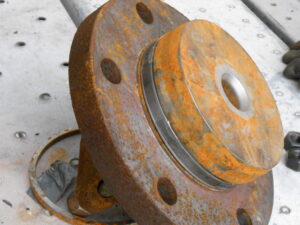
Repeated movement between mating metal surfaces can cause friction, wear, and galling. Over time, this can damage critical sealing surfaces and make it more difficult to achieve a reliable seal.
4) Galling and Removal Challenges
Galling and localized micro-welding can cause mating metal surfaces to adhere to one another, making the seal difficult to remove and increasing the risk of further damage during maintenance.
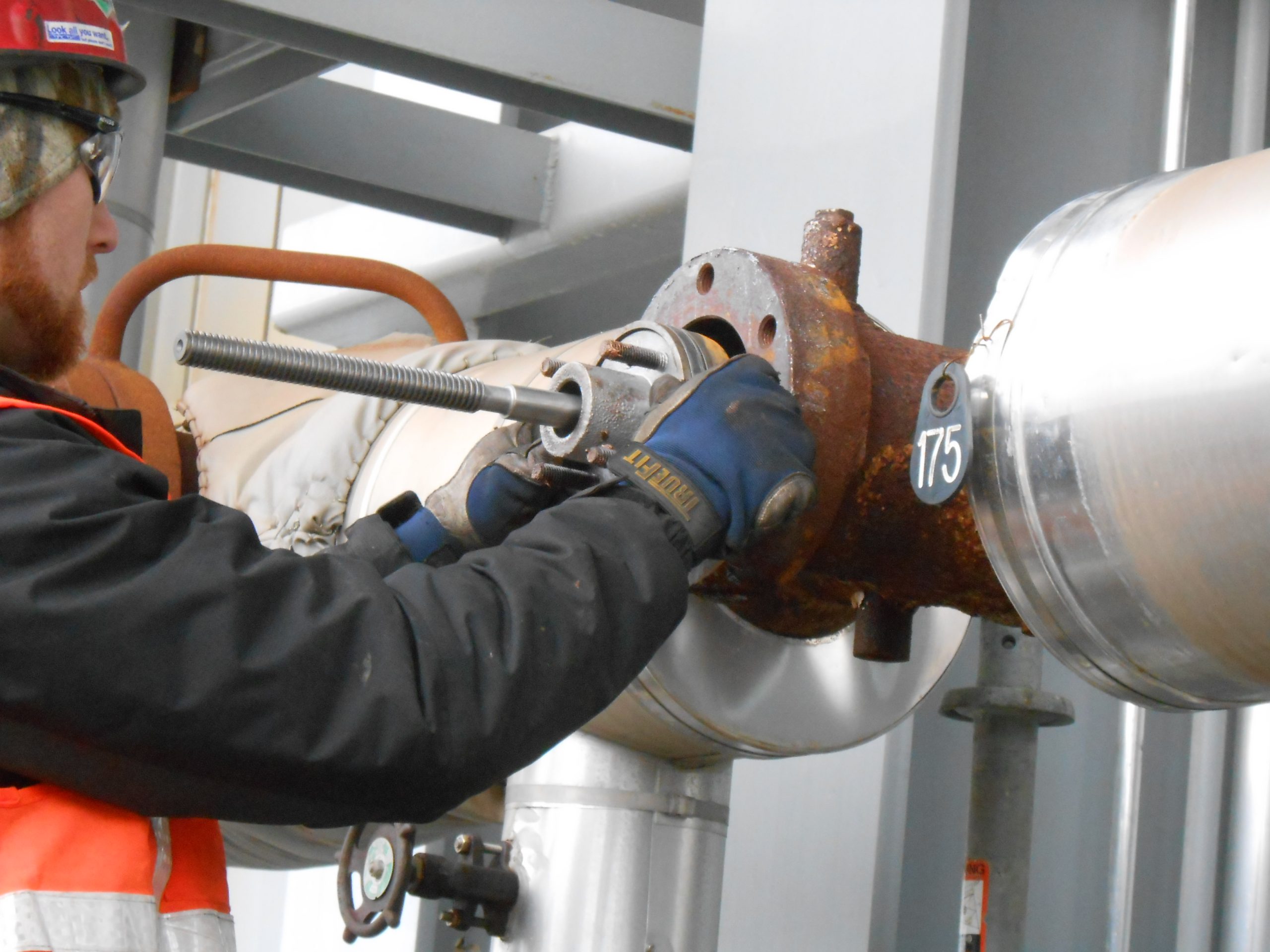
Metal pressure seals can become difficult to remove during outages, requiring significant labor or specialized removal techniques. This can increase outage duration and maintenance costs.
Why Maintenance Teams Look for Alternatives
When pressure seal leakage or recurring maintenance challenges become routine, plant personnel often begin evaluating alternatives that can improve reliability and reduce maintenance effort.
The ideal sealing solution should:
- Accommodate pressure cycling
- Accommodate thermal cycling
- Maintain sealing integrity
- Simplify maintenance activities
- Accommodate real-world valve conditions
These requirements are especially important for aging assets where bonnet cavities may be oversized, out-of-round, steam-cut, or pitted.
Metal vs. Graphite Pressure Seals in Pressure and Thermal Cycling Applications
Factor |
Metal Seal |
Graphite Pressure Seal |
| Pressure cycling | Load loss | Maintains resiliency |
| Thermal cycling | Can experience relaxation or deformation | Accommodates thermal movement |
| Leakage resistance | May decrease as load changes | Maintains sealing conformity |
| Seal removal | May require extensive effort | Easier removal |
| Body & Bonnet damage risk | Higher when difficult removal is required | Reduced maintenance impact |
| Retrofit capability | Limited | Often used as retrofit solution |
Flexible graphite pressure seals were developed to address many of the challenges associated with pressure cycling and thermal cycling.
Because graphite is compressible and resilient, it can conform to sealing surfaces while maintaining the ability to accommodate changes in loading and temperature. Unlike metal seals, graphite designs are not prone to fusing with valve components, helping simplify future maintenance activities.
Graphite pressure seals may also help facilities:
- Reduce seal removal time
- Eliminate the need for torch removal
- Minimize bonnet cavity repair work
- Accommodate imperfect sealing surfaces
- Improve reliability in pressure and thermal cycling applications
Signs Your Valve May Be a Candidate for a Graphite Pressure Seal Retrofit
You may want to evaluate alternative sealing technologies if your facility experiences:
- Repeated pressure seal failures
- Frequent startup and shutdown cycles
- Significant pressure fluctuations
- Significant temperature fluctuations
- Recurring leakage issues
- Difficult seal removal during outages
- Body and Bonnet cavity damage caused by maintenance activities
Facilities experiencing these challenges often benefit from an engineering review of the valve application and seal design.
Frequently Asked Questions
Why do metal pressure seals fail?
Metal pressure seals can fail due to loss of load, material relaxation, seal deformation, leakage, or other application-specific operating conditions. Pressure cycling and thermal cycling are often key contributors to these issues.
Does valve opening and closing cause pressure seal wear?
Pressure seals are static sealing elements and do not experience the same wear mechanisms found in dynamic seal applications. Pressure and thermal cycling generally have a greater impact on long-term pressure seal performance than valve actuation itself.
Are graphite pressure seals better for pressure and thermal cycling applications?
Graphite pressure seals are frequently considered for applications involving pressure and thermal cycling because they are resilient, conformable, and capable of maintaining sealing performance under changing operating conditions. Application-specific evaluation is always recommended.
Can graphite pressure seals be used as a retrofit?
Yes. Graphite pressure seals are commonly used as retrofit solutions for facilities seeking an alternative to traditional metal pressure seals, particularly in applications experiencing pressure cycling, thermal cycling, leakage, or maintenance challenges.
Conclusion
As plant operating conditions continue to evolve, many pressure seal valves are exposed to more frequent pressure fluctuations, thermal transients, startups, and shutdowns than originally anticipated. These conditions can contribute to load loss, seal relaxation, deformation, leakage, and ongoing maintenance challenges in traditional metal pressure seal designs. By understanding how pressure cycling and thermal cycling affect seal performance, maintenance and reliability teams can make more informed decisions about retrofit opportunities and long-term valve reliability.
If you’re experiencing pressure seal failures, leakage, or maintenance challenges related to pressure cycling and thermal cycling, EGC’s engineers can evaluate your valve design and recommend a sealing solution tailored to your operating conditions.
Let EGC Engineer Your Next Solution.
Together, we can develop a fluid sealing or thermal management solution to meet your explicit needs.