

Why Graphite Is Used in Valve Gland Packing
In demanding industrial environments, valve performance depends heavily on the reliability of the sealing system around the valve stem. While many materials have historically been used for valve gland packing, flexible graphite has become the dominant choice for high-temperature and high-pressure applications.
Engineers and maintenance teams are not asking what valve gland packing is—they are asking why graphite is used, when it performs best, and where its limitations matter.
This article explains why graphite is widely used in valve gland packing systems, how it performs under extreme conditions, and what design factors engineers should consider when selecting it.
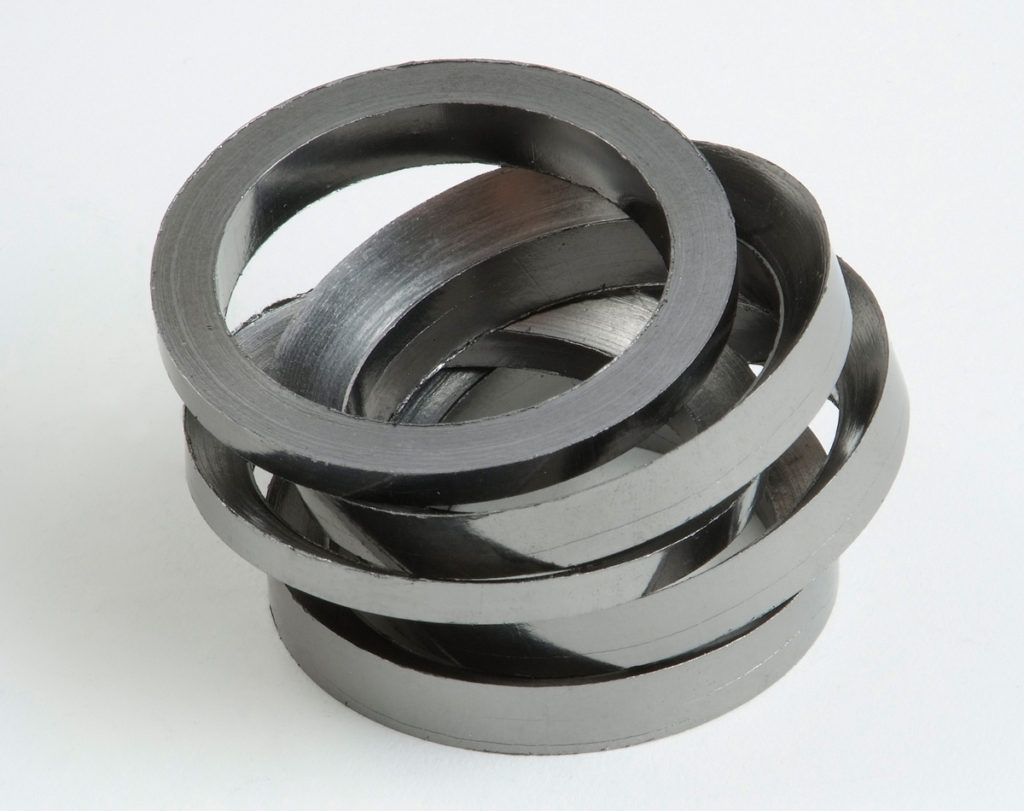
Why Graphite Is Used in Valve Gland Packing
Graphite is used in valve gland packing because it provides a rare combination of:
- Temperature stability (usable from Cryogenic to high temperatures)
- Chemical resistance
- Long-term sealing reliability under cycling conditions
Unlike many organic or polymer-based materials, graphite maintains its structural integrity in environments where heat, pressure, and thermal cycling would normally degrade sealing performance.
This makes it particularly well suited for critical service applications such as steam systems, refining operations, and high-temperature process valves.
Performance Advantages of Graphite Packing
1) High-Temperature Capability
One of the primary reasons graphite has become the preferred material for valve gland packing is its ability to maintain sealing performance in extreme temperature environments. From high-temperature applications like superheated Steam systems, boiler valves, and turbine isolation valves, to cryogenic valves used to control the flow of liquid oxygen, liquid nitrogen, and liquid hydrogen, flexible graphite packings routinely operate at temperatures that can cause traditional packing materials to harden, shrink, or degrade over time.
Flexible graphite remains stable across a wide operating temperature range and can maintain sealing integrity and resilience even during repeated thermal cycling. This helps prevent leakage, reduce maintenance intervals, and improve reliability in applications where equipment is exposed to extreme cold or extreme heat with frequent temperature fluctuations.
For facilities operating high-energy steam systems, the ability of graphite packing to withstand extreme temperatures without sacrificing sealing performance is a major advantage over PTFE and many fiber-based alternatives.
2) Low Friction and Reduced Stem Wear
Valve packing must create enough sealing force to prevent leakage while still allowing the valve stem to move freely during operation. Excessive friction can increase operating torque, accelerate stem wear, and place additional strain on actuators and valve components.
Graphite’s natural lubricity helps reduce friction between the packing and valve stem. As a result, valves often require less force to operate and experience less wear over time. This can be particularly beneficial in automated systems or high-cycle applications where valves may open and close thousands of times throughout their service life.
By minimizing friction and wear, graphite packing can contribute to longer valve life, improved reliability, and lower maintenance costs.
3) Superior Sealing Under Pressure and Thermal Cycling
Industrial process conditions rarely remain constant. Valves are routinely subjected to pressure changes, temperature swings, startup and shutdown cycles, and varying process loads. These fluctuations can cause some packing materials to relax, lose compression, or develop leak paths over time.
Flexible graphite is highly conformable, allowing it to adapt to minor surface imperfections and maintain contact with both the valve stem and stuffing box. This helps preserve sealing effectiveness even as operating conditions change.
Because graphite retains its resiliency under compression, it is particularly effective in applications where maintaining a consistent seal through repeated thermal and pressure cycles is critical. This performance helps reduce leakage, improve uptime, and extend maintenance intervals.
4) Chemical Resistance in Harsh Environments
Many industrial processes expose valves to aggressive chemicals, high-temperature steam, hydrocarbons, and other challenging media. Selecting a packing material that can withstand these conditions is essential for maintaining long-term sealing performance.
Graphite offers broad chemical compatibility and performs well in many demanding process environments. It is commonly used in power generation, refining, petrochemical processing, and other industries where valves must withstand exposure to steam, oils, fuels, and numerous process chemicals.
While graphite is not recommended for certain strong oxidizing environments, its overall chemical resistance makes it a versatile solution for a wide range of industrial sealing applications.
5) Support for Fugitive Emissions Reduction
As environmental regulations continue to evolve, many facilities are under increasing pressure to reduce fugitive emissions from valves and other process equipment. Leakage around valve stems can contribute to product loss, environmental concerns, and regulatory compliance issues.
Graphite packing has become a preferred solution for emissions-critical applications because it can maintain low leakage rates over extended operating periods. Many valve manufacturers and end users rely on graphite-based packing systems per API 622 and ISO 12101 when designing or maintaining valves intended to meet standards such as API 622, API 624, API 641, ISO 12101 and ISO 15848.
By helping facilities control emissions while maintaining reliable valve operation, graphite packing supports both operational and environmental performance objectives.
Why These Advantages Matter
The combination of temperature resistance, low friction, chemical compatibility, sealing reliability, and emissions performance is what makes graphite the industry standard for many critical valve applications. Rather than excelling in only one area, graphite provides a balanced set of performance characteristics that help facilities improve reliability, reduce maintenance requirements, and extend equipment service life.
For engineers evaluating valve packing materials, the question is often not whether graphite can perform—but whether the operating conditions justify selecting a lower-performing alternative. This is why graphite packing continues to be specified across power generation, refining, chemical processing, and other demanding industrial applications.
Graphite Packing vs Traditional Materials
| Property | Graphite Packing | PTFE Packing | Fiber Packing |
| Temperature Resistance | High (1000°F+) | Moderate | Low–Moderate |
| Pressure Capability | High | Moderate | Low |
| Friction | Low | Very Low | Moderate–High |
| Stem Wear | Low | Low | High |
| Thermal Cycling Stability | Excellent | Moderate | Poor |
Graphite consistently outperforms traditional materials in high-energy industrial environments.
Limitations of Graphite Packing
While graphite is highly effective, it is not universal.
Oxidation Risk
At elevated temperatures in oxygen-rich environments (typically above ~850°F / 454°C), graphite can oxidize over time.
Design Considerations Required
To mitigate this, engineers may use:
- Oxidation inhibitors
- Reinforced packing designs
- Controlled system environments
Material selection should always account for operating conditions rather than relying on graphite as a default solution.
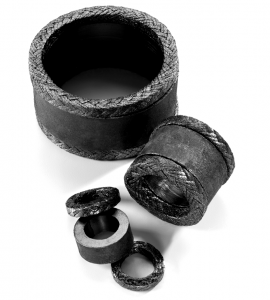
Where Graphite Packing Performs Best
While graphite packing is used across a wide range of industries, it delivers the greatest value in applications where high temperatures, pressure cycling, emissions control, and long service life are critical.
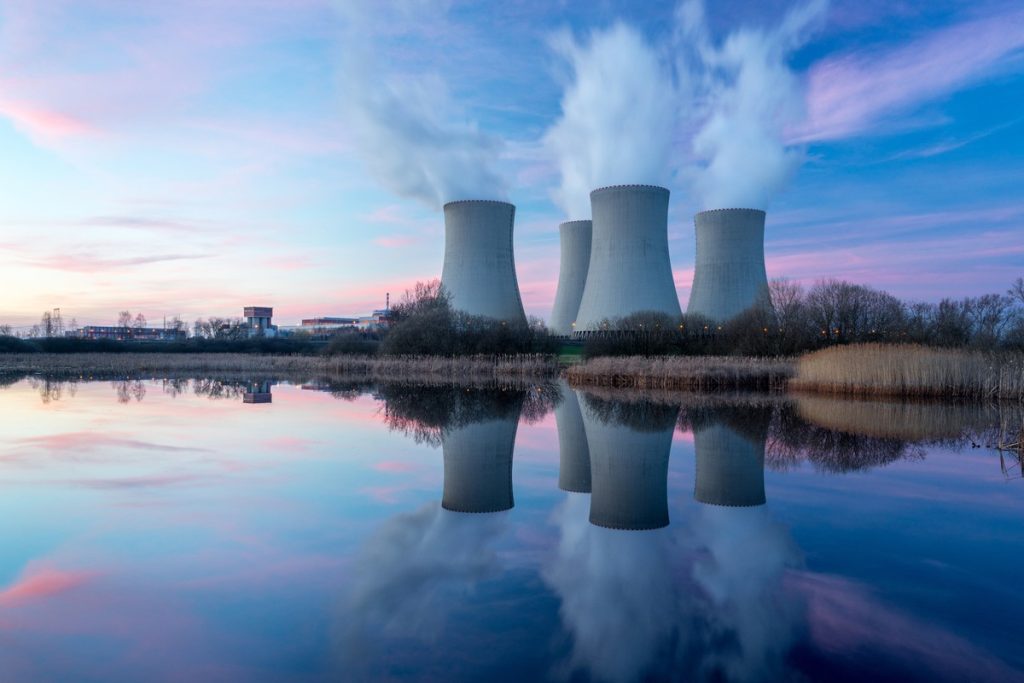
Power Generation
Power generation remains one of the most demanding environments for valve sealing systems. Steam isolation valves, turbine systems, soot blowers, and other high-energy applications require packing materials capable of maintaining sealing integrity under extreme temperatures and pressures.
Graphite packing is commonly specified for:
- Steam valves
- Turbine support systems
- Boiler isolation valves
- Soot blower applications
- Pressure seal valves
Solutions such as EGC’s VSG Graphite Pressure Seals, VSG Pro Graphite Pressure Seals, Live-Loaded Packing Sets, and Valve Stem Packing systems are designed specifically for these demanding operating conditions.
Industrial Valves & Instrumentation
For OEM valve manufacturers and end users, graphite packing plays a critical role in achieving long-term sealing performance and emissions compliance.
Applications include:
- Control valves
- Isolation valves
- Process valves
- Instrumentation systems
- Low-emissions valve designs
Graphite packing is often selected for its ability to reduce leakage, minimize maintenance requirements, and support compliance with standards such as API 624, API 641, and ISO 15848.
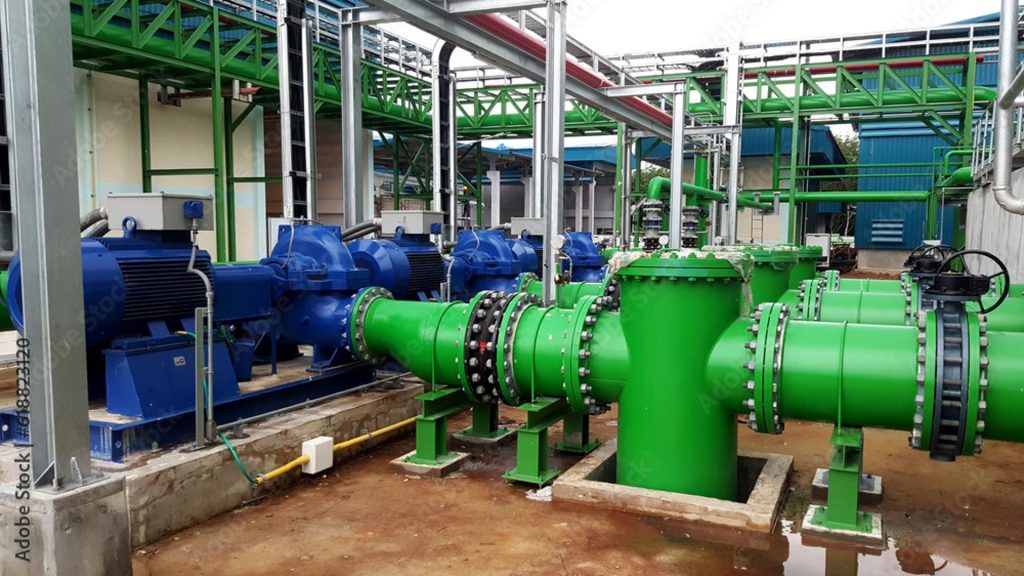
Oil & Gas Processing
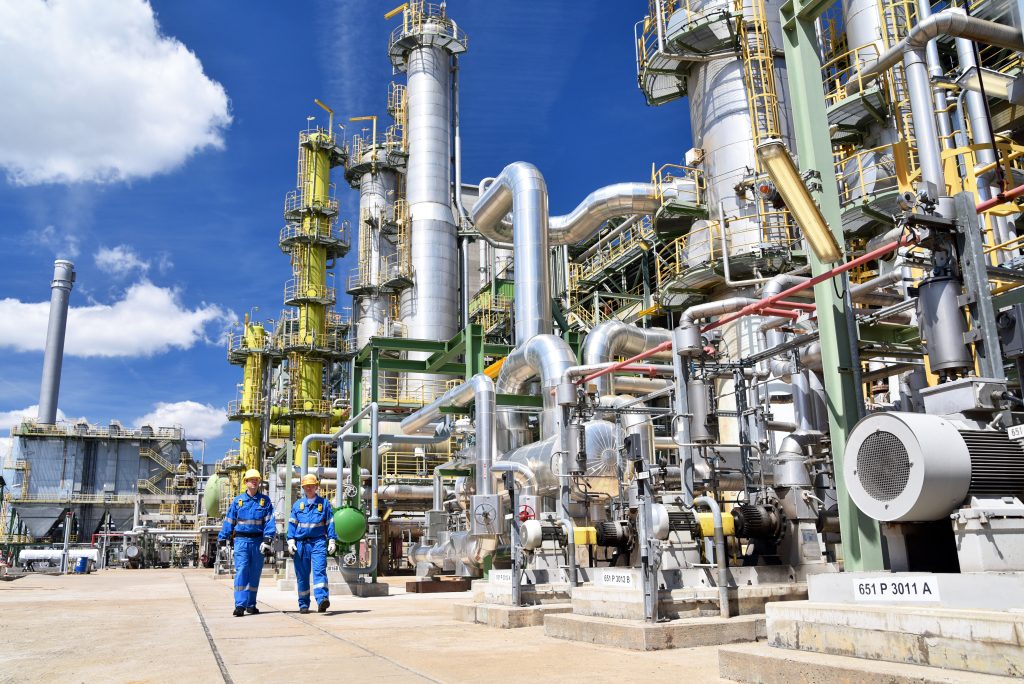
Oil and gas facilities operate valves in environments where high pressures, elevated temperatures, aggressive media, and emissions compliance requirements are common.
API 622 Graphite packing is frequently used in:
- Refining operations
- Petrochemical processing
- Pipeline systems
- Process control valves
- Critical isolation valves
Its ability to maintain sealing performance during thermal and pressure cycling helps reduce fugitive emissions while improving operational reliability.
Pulp & Paper
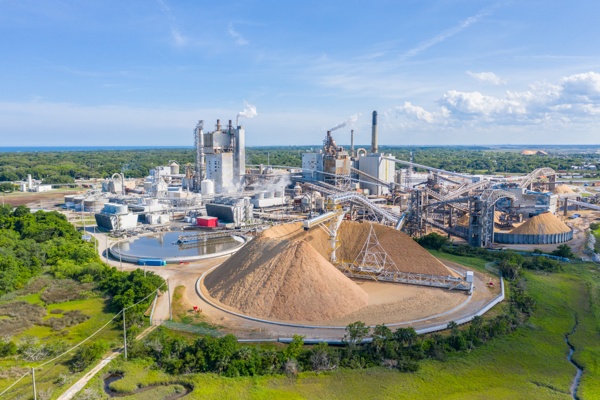
Pulp and paper operations expose valve sealing systems to a combination of high temperatures, steam, chemicals, and continuous operating cycles.
Graphite packing performs well in:
- Recovery boiler systems
- Digesters
- Steam distribution networks
- Chemical processing equipment
Its resistance to thermal cycling and ability to maintain sealing performance over extended service intervals make it a preferred solution for many critical process applications.

Industrial Equipment & OEM Applications
Equipment manufacturers often incorporate graphite packing into designs that require reliable sealing performance throughout the equipment lifecycle.
Common applications include:
- Process equipment
- Heat transfer systems
- High-cycle industrial valves
- Thermal processing equipment
- Engineered sealing assemblies
When properly specified, graphite packing can help extend maintenance intervals, reduce warranty concerns, and improve overall equipment reliability.
Engineering Considerations When Selecting Graphite Packing
Selecting the right graphite packing system requires evaluating:
- Temperature range
- Pressure class
- Media compatibility
- Valve cycling frequency
- Emissions compliance requirements
- Reinforcement needs (Inconel, carbon fiber, etc.)
Proper selection ensures performance is matched to real-world operating conditions.
Conclusion
Graphite has become the standard material for valve gland packing in high-performance industrial applications due to its ability to withstand extreme temperature, pressure, and cycling conditions while maintaining reliable sealing performance.
However, its success depends on proper design, reinforcement selection, and application-specific engineering.
For critical service environments, EGC Enterprises provides engineered graphite packing solutions designed to improve reliability, reduce emissions, and extend valve service life in demanding industrial systems.
Let EGC Engineer Your Next Solution.
Together, we can develop a fluid sealing or thermal management solution to meet your explicit needs.